

The contemporary coffee scene has developed into something incredibly inventive, combining ritual, art, and camera-ready elements. Instagram has evolved into a caffeinated canvas where baristas, influencers, and regular people express their passion through unconventional flavors, vibrant colors, and latte art. These are more than just beverages; they are edible statements, with each cup narrating a tale that is as visually striking as it is delicious.
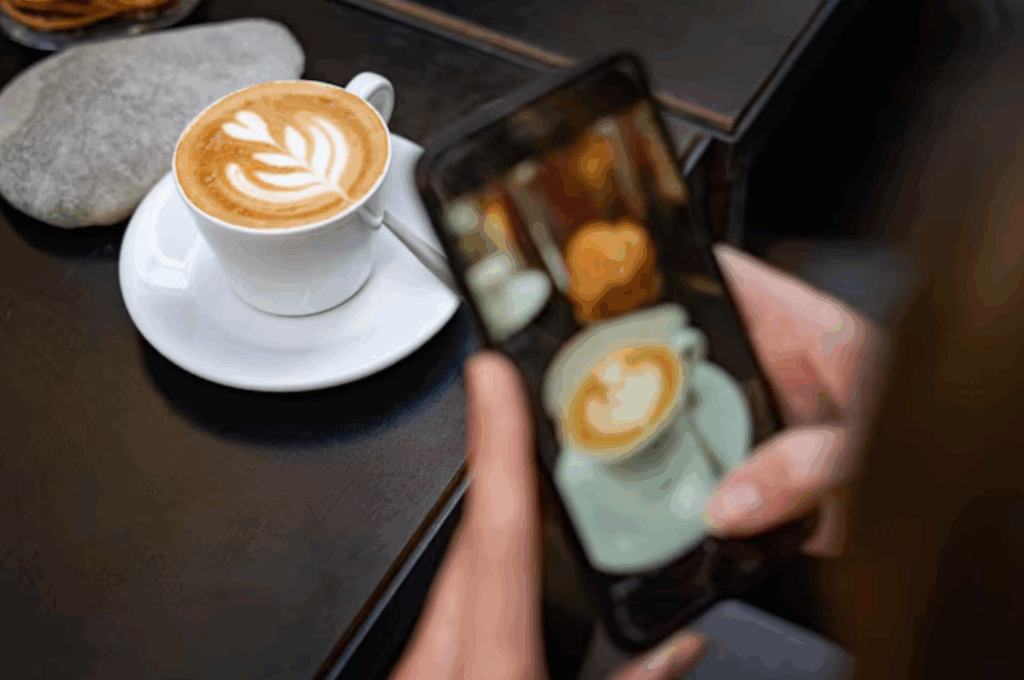
Cafés all over the world have evolved into performance spaces where baristas redefine what coffee can be. Every image on the internet seems to be intended to halt your scroll, whether it’s a charcoal cappuccino that resembles liquid velvet, a swirl of beetroot foam, or a spray of lavender cream. These works are very inventive in terms of both their taste and their eye-catching appearance.
| Information | Details |
|---|---|
| Topic | The Most Instagrammed Coffee Trends You Haven’t Tried Yet |
| Focus | Innovative coffee flavors, creative presentations, and emerging café aesthetics |
| Key Influencers | @baristahakan, @Melaquino, Coffee Collective, Sprudge, Dark Hall Coffee |
| Trending Concepts | Vegan coffee blends, charcoal lattes, beetroot mochas, artistic latte designs |
| Global Hotspots | Seattle, Copenhagen, Istanbul, San Francisco, Phoenix |
| Coffee Movements | Sustainability, artistry, digital storytelling, ready-to-drink evolution |
| Cultural Impact | Merging creativity, ethics, and visual culture through coffee innovation |
| Popular Platforms | Instagram, WeChat, YouTube |
| Reference |
Consider Phoenix’s Dark Hall Coffee, where café culture and vegan experimentation collide. Their lively Instagram page highlights a constantly evolving selection of plant-based beverages, ranging from espresso with cayenne and coconut milk to a mocha flavored with beetroot. Every piece feels well-thought-out, balancing artistry and sustainability. They have made coffee culture more inclusive by accepting non-dairy substitutes, demonstrating that moral decisions can sometimes be incredibly decadent.
Hakan Yilmaz, who goes by the handle @baristahakan worldwide, has transformed brewing into a visual show in Istanbul. His movies show finely foamed milk that mimics gentle clouds, vivid citrus infusions, and exact layering techniques. His material is frequently referred to as hypnotic by viewers, and it makes sense. Routine coffee-making is transformed into a cinematic narrative with each pour, which is a symphony of accuracy, color, and motion.
Melannie (@Melaquino) has made milk froth her medium of self-expression in San Francisco. Her lattes are adorned with detailed drawings that are remarkably accurate, including giraffes, animals, and even David Bowie’s picture. Her art has been shown at coffee gatherings all throughout California, and her fan base keeps expanding as they are in awe of her ability to combine comfort and creativity. Coffee is a conversation starter and art that you can drink.
Latte art isn’t the only example of the trend of using coffee to express stories. Copenhagen’s Coffee Collective is a prime example of how aesthetic appeal and social responsibility may coexist harmoniously. Their relationships with local kombucha and beer brewers and their cooperation with Colombian growers demonstrate a new breed of coffee inventors who are just as concerned with ethics as they are with flavor. Their Instagram account reminds viewers that there is a network of hands that tend to the beans from soil to cup, balancing creative photographs with human stories.
The emergence of ready-to-drink coffee culture is another innovation wave that may be found by searching for the hashtag #rtdcoffee. Convenience and quality have been reinvented by elegantly crafted bottles, simple labeling, and carefully chosen ingredients. For consumers who are constantly on the go and have a preference for both flavor and craftsmanship, these beverages are especially advantageous. Instagram has evolved into a platform where even canned coffee is prized for its design as much as its sophisticated and sustainable message.
Butterfly pea teas and activated charcoal lattes are two of the most eye-catching novelties. They are irresistible—blue lattes that look almost unreal, black drinks that shimmer in the café lights. Despite being contentious because of rules in some areas, the activated charcoal craze is still popular because of its enigmatic, photogenic appeal. On the other hand, the butterfly pea latte’s calm blue color inspires peace and receives a ton of likes due to its surreal appearance. These beverages perfectly capture the idea that, in today’s café culture, aesthetics frequently come before taste.
The greatest coffee art from around the world is curated by online communities like @latteartgram, which further amplifies this brilliance. Works of transient genius include exquisitely painted 3D constructions, rainbow-tinted milk swirls, and sculptured bears rising from froth. Minutes later, each cup is a perfect combination of workmanship and impermanence. The feed of the account resembles a digital museum for coffee artistry, bringing together baristas from São Paulo to Seoul who are all passionate about using espresso to express themselves.
Another trend that is gaining momentum is the emergence of socially conscious coffee. Feeds like Cup of Excellence highlight sustainability and equity while illustrating the lengthy route from coffee growers to cafés. Their content, which frequently captures moments of care, resiliency, and pride, exposes farmers who put in endless effort to produce superior beans. It serves as a strikingly obvious reminder that coffee, in its purest form, unites people by mutual appreciation, from farmer to drinker.
In the meantime, Sprudge has become a significant narrative destination for coffee enthusiasts, offering anything from movies on barista competitions to interviews with regional roasters. By fusing amusement and information, their posts give coffee culture a journalistic edge. Coffee serves as a forum for conversations on creativity, craftsmanship, and even gender parity in the café sector.
Woodland Coffee in Seattle is an excellent example of how flavor can evoke strong feelings. Because of its striking contrast, their Vanilla Cayenne Latte, which has an equal amount of sweetness and spice, went viral online. Consumers characterized the beverage as “comforting yet thrilling,” which is a fitting description of the current coffee trends. These kinds of drinks are especially powerful because they demonstrate that flavor and emotion are not mutually incompatible by fusing sensory enjoyment with emotional connection.
The impact of social media has also turned consumers into producers. These days, home baristas transform kitchen counters into imaginative laboratories by experimenting with homemade syrups, edible glitter, and oat milk froth. This change was noticeably hastened by the epidemic, as many people turned to reenacting café experiences at home for solace. Coffee became both performative and personal as a result of these individual experiments being showcased on platforms like as Instagram Reels and TikTok.
Even celebrities have contributed. Influencers like Emma Chamberlain have used authenticity and beautiful branding to create whole coffee empires. Younger consumers, who view coffee as more than simply a beverage but as a component of a lifestyle, are drawn to her simple aesthetic and easygoing tone. These figures’ ascent is indicative of a broader cultural movement away from caffeine use and toward attentive production.
