

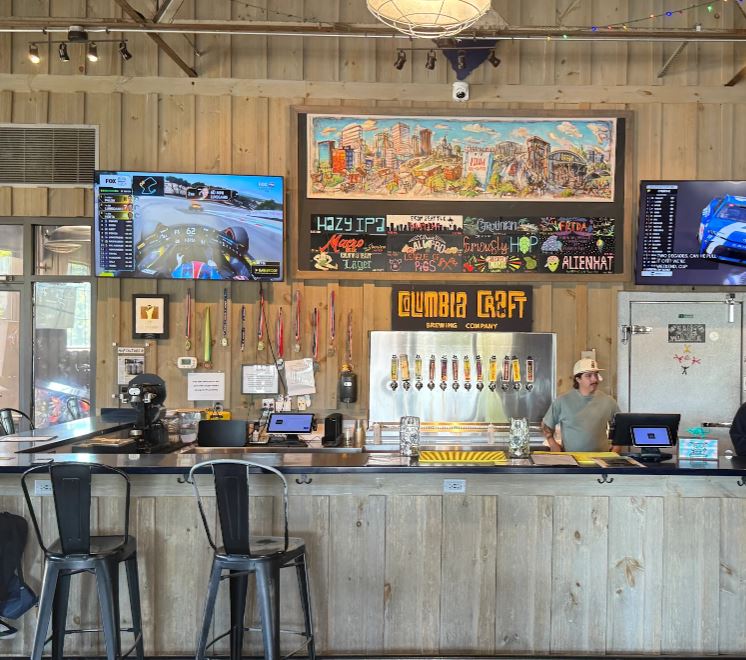
The Columbia Craft Brewing Company has proudly been a pillar of innovation and artistry in the capital of South Carolina for almost eight years. It was more than just a brewery; it was a meeting spot where the city’s evening rhythm was established by the clink of glasses, the laughter of friends, and the hum of live music. Since 2017, Columbia Craft has gained recognition throughout the Southeast for producing a remarkably varied range of beers that embodied both creativity and genuineness.
Fans were hit with the harsh reality of its closure on October 6, 2025. Citing growing expenses, heightened competition, and shifting consumer preferences, the company made the heartfelt announcement on social media that it was closing its Greene Street taproom permanently. The owners wrote, “Even though the choice wasn’t simple, we’re thankful for everyone’s support and proud of the community we created here in Columbia.”
| Category | Information |
|---|---|
| Founded | 2017 |
| Location | 520 Greene Street, Columbia, South Carolina |
| Ownership | Locally owned and operated |
| Specialty | Ales, Lagers, Hazy IPAs, Sours, and Barrel-Aged Beers |
| Tagline | “Craft Beer Famously Hopped” |
| Closure Date | October 6, 2025 |
| Reason for Closure | Rising costs, competition, and evolving consumer preferences |
| Continuing Operations | Beer distribution in restaurants and stores statewide |
| Known For | Innovation, sustainability, and community engagement |
This message felt very personal to regulars. An urban haven for people who valued conversation over corporate branding and craftsmanship over convenience, Columbia Craft had come to represent the spirit of local independence. Its closure signified the silent decline of a local custom rather than the demise of a company.
Since its inception, Columbia Craft has distinguished itself by striking a balance between traditional brewing techniques and contemporary innovation. Its barrel-aged selections had a depth of flavor that demonstrated careful artistry, its sours were remarkably balanced, and its hazy IPAs were remarkably smooth. The brewery stood out in Columbia’s bustling Vista district thanks to its dedication to quality and innovation, turning a small area of Greene Street into a destination for connoisseurs who appreciated genuineness.
The taproom itself, with its reclaimed wood, brick walls, and rooftop deck that provided breathtaking views of the downtown area, was warm and inviting. It was described by visitors as warm and lively, with a sophisticated yet familiar ambiance. TripAdvisor reviews frequently commended its “great vibe” and “excellent beer selection,” encapsulating the carefree charm that had established Columbia Craft as a neighborhood mainstay.
However, beneath the happy façade, the brewery was subject to the same challenges that small, independent businesses face nationwide. The craft beer industry has been negotiating rough seas for the last ten years. For independent brewers, survival has become much more difficult due to rising ingredient costs, distribution issues, and a discernible change in consumer behavior. Nowadays, a lot of younger drinkers prefer cocktails, seltzers, and alcohol-free substitutes because they are less expensive to produce and better suit current wellness trends.
The struggles of hundreds of other small breweries across the United States were remarkably similar to those of Columbia Craft in this shifting market. The company’s statement, which stressed that although the taproom would close, the beer would continue to exist, admitted these difficulties with remarkable candor. Columbia Craft declared its intention to keep making and selling its distinctive beers through neighborhood eateries, pubs, and retail partners. This flexible strategy, which was especially creative in its simplicity, showed tenacity and consideration for devoted followers who desired the brand to survive outside of its physical location.
As time went on, Columbia Craft evolved from a brewery to a gathering place and a representation of the city’s artistic comeback. The brewery regularly supported local artists, held community events, and worked with businesses in the area. Its existence greatly aided in the downtown revitalization of the city by turning weekends into events honoring regional artists and a sense of community. It developed a devoted following through collaborations and charitable giving that went well beyond the Vista neighborhood.
The closure of Columbia Craft was seen by industry watchers as a part of a broader trend that was changing the culture of craft beer in America. The fact that more than 400 small breweries nationwide were forced to close between 2020 and 2025 highlights how unstable the independent brewing market is. However, because Columbia Craft handled the decision so gracefully, it felt especially poignant. The team decided to close with dignity, protecting the integrity of their product and reputation, rather than going overboard or sacrificing quality.
Their exit from Greene Street brings to light a sobering reality: production costs are sometimes too high for passion alone. However, it also acts as a potent reminder that creativity frequently flourishes outside of physical boundaries. The fact that they are still operating their brewery guarantees that the Columbia Craft name will live on in South Carolina beer culture, which is a positive indication for regional brands looking to grow without sacrificing their identity.
The company’s path is similar to that of American entrepreneurship in many respects: it is driven, innovative, and incredibly resilient to changing markets. The local aficionados who founded the brewery, motivated by their passion for the art form, demonstrated that significant influence doesn’t always necessitate extensive scope. What started out as a family-run business grew into a movement that made Columbia a well-known destination for craft beer.
Newer brewers in the area are still influenced by Columbia Craft, even after it closed. Asheville, Greenville, and Charleston’s up-and-coming brands now follow its dedication to community and quality. Many point to Columbia Craft as evidence that, with integrity, creativity, and teamwork, even small businesses can reshape local identity.
Additionally, the closure highlights the wider social significance of establishments such as Columbia Craft. Breweries have always been more than just places to make drinks; they are contemporary meeting places where cultures come together over common tastes, friendships are formed, and ideas are ignited. Even though their loss is pragmatic, it has emotional significance since it symbolizes the decline of interpersonal relationships in favor of online interaction. Even if the location changes, Columbia Craft’s legacy gives hope that such ideals can endure.
For the locals, the story of Columbia Craft is still one of success rather than tragedy. Its beers will still be available, its memory will live on in discussions, and its impact will be felt by brewers of the future who are committed to striking a balance between sustainability and creativity. Similar to its finest stouts and sours, the company’s journey has a complex, unforgettable, and incredibly human aftertaste.
The Columbia Craft Brewing Company is still going strong even though its taps have been turned off. Its spirit—strongly independent, fervently regional, and extraordinarily resilient—reminds us that each pint has a memorable backstory.
