

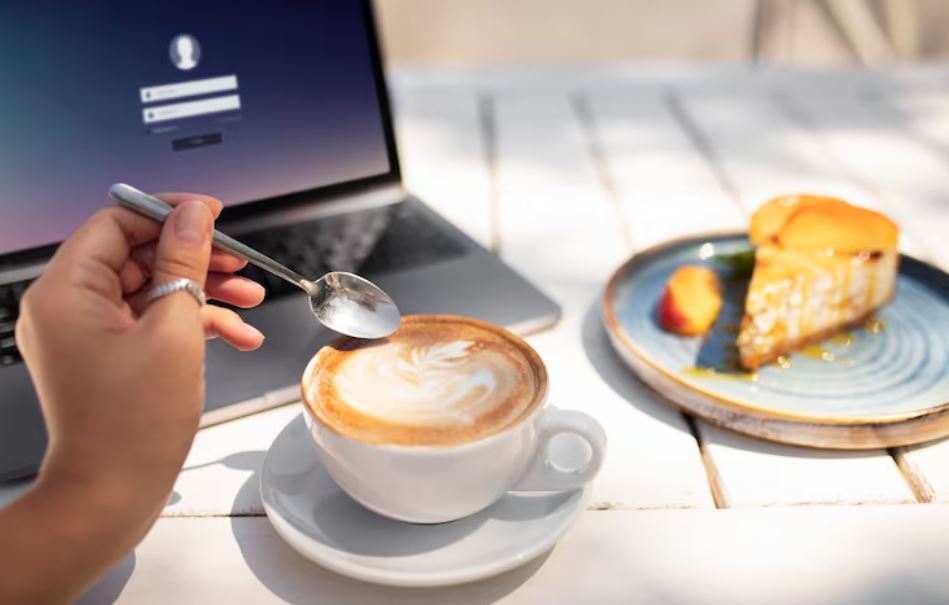
Coffee subscription services have evolved into the caffeine equivalent of a book club in recent years. They are engaging, personalized, and incredibly successful at turning a daily routine habit into a moment of daily discovery. From remote workers to movie stars like Hugh Jackman, who started his own ethical coffee brand, to influencers who present their morning brews as if they were high-end accessories, what started out as a niche for enthusiasts has now drawn in a wider audience. The emergence of these services is indicative of a shift in culture toward uncompromising convenience.
Trade Coffee has established a particularly impressive reputation among the standouts. Trade has created a personalized and adventurous experience by matching subscribers with independent roasters across the United States through an intelligent quiz. Whether you prefer nutty Colombian mediums or citrusy Ethiopian light roasts, each delivery offers a new blend that suits your palate. The system is incredibly efficient at curating consistency and is simple to modify, skip, or pause. Specialty-grade beans that were previously only available on café shelves are now much more accessible thanks to its collaborations with roasters like Verve, Onyx, and Ceremony Coffee.
| Category | Details |
|---|---|
| Focus | Coffee Subscription Services Worth Signing Up For |
| Top Contenders | Trade Coffee, Atlas Coffee Club, MistoBox, Bean Box, Cometeer, Driftaway |
| Best For Variety | Trade Coffee – Custom roaster matching for every taste |
| Best For Beginners | Atlas Coffee Club – Global coffee exploration with flair |
| Best For Convenience | Cometeer – Ready-to-brew frozen coffee pods |
| Best For Gifts | Bean Box – Curated boxes pairing coffee with treats |
| Best For Education | Driftaway Coffee – Interactive tasting and traceability |
Atlas Coffee Club, on the other hand, provides a taste-based travel experience. Each month, subscribers receive beans from a different nation along with brewing tips, tasting notes, and a postcard. Each box is a collectible journey thanks to the incredibly clear and artistically designed packaging. It’s especially helpful for people who are new to specialty coffee—those who are curious but require assistance in understanding the subtleties of roast and flavor. Atlas connects people to distant farmers in ways that are both educational and emotionally compelling, providing many with an introduction to the world of coffee culture.
Then there is Cometeer, a company that, with a unique flair, redefines convenience. It delivers frozen, pre-brewed coffee capsules made using a flash-freeze method that preserves freshness, as opposed to beans. For instant café-quality coffee, just melt a pod into hot water or milk. Its strategy is remarkably similar to that of a tech startup: it is streamlined, effective, and surprisingly inexpensive. From frequent travelers to business owners looking for dependability without sacrificing quality, it appeals to anyone who wants premium coffee with no work.
MistoBox adopts a slightly different strategy, combining expert human touch with personalization. A “coffee curator” is assigned to each subscriber, who gradually learns their preferences and adjusts recommendations accordingly. This hybrid model, which combines artisan and algorithm, feels especially human. MistoBox improves its selections over time so that every shipment more closely matches your changing tastes. Since the beans are roasted to order, they frequently arrive a few days after leaving the roaster, demonstrating the service’s admirable attention to freshness. Flavor that feels alive is a result of that immediacy.
Bean Box has made a name for itself as a sophisticated and poignant gift option. It was established in Seattle, the epicenter of American coffee culture, and provides carefully planned tasting flights that pair fine beans with biscotti, chocolates, and comprehensive guides. Instead of feeling like a transaction, the presentation seems like a gesture of kindness. Like sending a bouquet, but with a richer sensory reward, it’s a favorite among people who value thoughtful packaging and experiential gifting.
Beyond these well-known brands, Driftaway Coffee has drawn notice for its philosophy of sustainability. A tasting kit is sent to subscribers to help them determine their preferences, and each subsequent shipment is chosen based on their responses. The service provides total transparency by disclosing information about the environmental practices, farmers, and regions that go into each roast. This model seems especially creative and profoundly accountable. Driftaway transforms a daily cup of coffee into an intentional act of global connection for customers who are concerned about the origins of their coffee.
A larger cultural trend toward personalization is reflected in the popularity of coffee subscriptions. People prefer experiences that are effortless yet customized to feel like they were made just for them. This change has increased interest in ethical sourcing and considerably decreased dependency on generic store-bought coffee over the last ten years. Coffee has evolved into a social statement as well as a sensory delight. Just as a vintage record or artisan perfume might convey curiosity and care, so too does a single-origin Ethiopian roast.
Discussions regarding supply chain equity and sustainability are also changing as a result of this movement. Subscription services are subtly advancing economic equity by assisting direct-trade farmers and independent roasters. Nowadays, a lot of brands finance reforestation initiatives or split profit margins with growers. It’s a minor but significant change that fits with a generation that is becoming more and more characterized by thoughtful consumption. Celebrities like Emma Watson and Leonardo DiCaprio have openly supported sustainable coffee initiatives, spreading the idea that ethics and taste don’t have to conflict.
However, one warning has been raised by Reddit communities and coffee forums: quality consistency. Some subscription startups dilute authenticity by simply reselling surplus beans under private labels, according to users. Drinkers with experience advise sticking to individual roasters like Tim Wendelboe and Coffee Collective, or transparent brands like Trade and Dayglow. These recommendations, which are offered with genuine excitement, demonstrate how trust and mutual learning are essential to coffee culture.
This discussion has gained more traction thanks to social media. Creators display “unbox my coffee” videos on TikTok, transforming morning deliveries into aesthetically pleasing customs. Beautiful flat-lay images of beans, brewers, and handwritten notes adorn Instagram feeds. These days, it’s about connection, identity, and imaginative storytelling rather than caffeine. Every brew is a silent protest against disposable habits and a lifestyle choice.
These services are also changing business models from an economic standpoint. Coffee roasters can invest in better equipment, more equitable wages, and sustainable sourcing by implementing subscription structures, which provide them with steady revenue streams. This cycle is especially advantageous: small producers benefit from predictability and growth, while consumers enjoy freshness and quality. In a time of unpredictability, this reciprocal exchange, which is based on trust and shared values, feels surprisingly hopeful.
In the end, coffee subscription services that are worthwhile to sign up for are much more than just convenient. They stand for human connection, sustainability, and artistry. In a culture that moves quickly, they stand for a slow, meaningful luxury that is incredibly reassuring. Subscribers take part in a narrative of ingenuity, culture, and concern with each bag that is delivered.
