

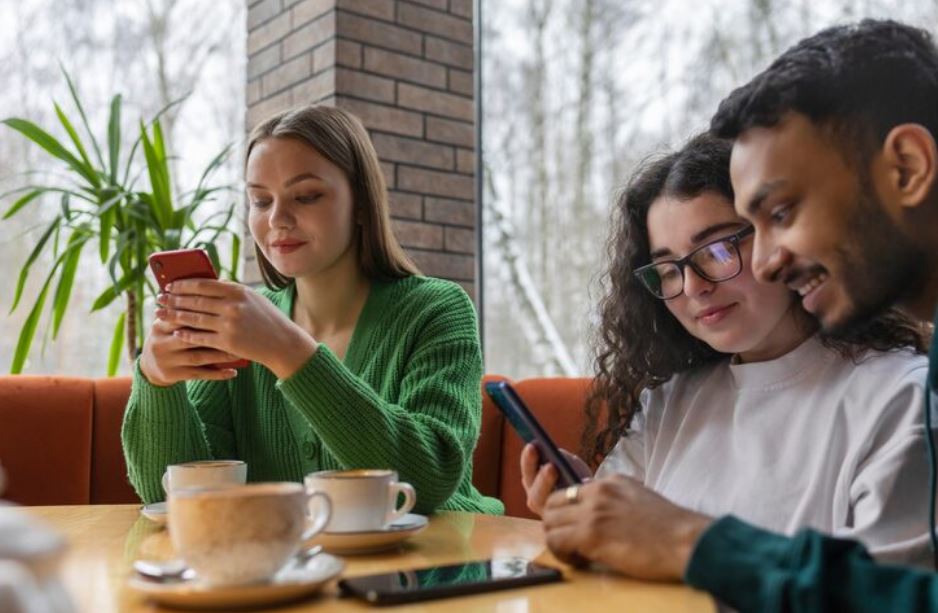
Coffee has changed dramatically over the last 20 years, mostly due to millennials who transformed the simple caffeine ritual into an expressive way of life. What started out as a practical morning drink developed into a cultural statement that combines uniqueness, ethics, and design. Millennials’ desire for meaning, genuineness, and community led them to reimagine coffee as a social symbol as well as a personal ritual.
Their coffee-related journey seems remarkably similar to the way vinyl once transformed music fandoms—it’s intimate, real, and intensely emotional. Millennials curated their coffee, not just consuming it. Every cup became a deliberate representation of taste and values, from single-origin beans to latte art photographed in the soft café lighting. Coffee evolved from a beverage to an identity.
| Aspect | Description |
|---|---|
| Core Concept | Coffee transformed from a beverage into a lifestyle identity for millennials |
| Defining Traits | Focus on ethics, sustainability, design, and sensory experience |
| Social Function | Coffeehouses as creative, social, and professional spaces |
| Economic Impact | Over 60% of U.S. millennials consume coffee daily |
| Cultural Shift | From instant coffee to artisanal brewing and ethical sourcing |
| Lifestyle Symbol | Coffee as a reflection of mindfulness and community |
| Design Influence | Minimalist café interiors and Instagram-worthy aesthetics |
| Innovation Trend | Rise of cold brew, oat milk, and home brewing technology |
| Emotional Connection | Coffee as self-expression and conscious indulgence |
Cafés were more than just places to stop in between tasks by the late 2000s. They developed into creative havens, places with a very clear mission: to stimulate community, productivity, and dialogue. Coffee shops became the contemporary “third place,” striking a balance between the coziness of home and the productivity of the office for a generation juggling freelance work and digital fatigue. You could see it in every busy café corner: soft playlists playing throughout the day, laptops glowing, and espresso machines humming.
It took time for this change to occur. A generation that looked for purpose in every purchase drove it. Coffee evolved into a platform for both ethics and expression. Millennials incorporated their values into their daily lives by selecting fair-trade or ethically sourced beans. They wanted to know the farm, the altitude, and even the grower’s story, so they demanded traceability. Their purchasing power was especially effective in pressuring companies to adopt transparent supply chains and sustainable practices.
Early adopters of this trend were independent roasters such as Blue Bottle and Stumptown, who created brands that were noticeably better than conventional cafés. Each cup was brewed with scientific accuracy and creative flair, and their spaces felt both artisanal and welcoming. Experience was now more important than speed. Every pour-over provided mindfulness in the form of caffeine, acting as a pause button in an otherwise hectic day.
Naturally, social media significantly increased this phenomenon. Coffee became performance art thanks to apps like Instagram and TikTok. Baristas turned milk foam into elaborate leaf and tulip patterns, turning the once-simple latte into a canvas. Soft lighting, repurposed wood, and ceramic mugs in place of filters and frames transformed coffee photography into a contemporary storytelling medium. Millennials created coffee in addition to drinking it. They achieved this by making it aspirational, relatable, and shareable.
Coffee culture was as visually appealing as it was socially significant. Coffee shops developed into hubs for the community, where people came together to share ideas, start projects, and form friendships. That $5 cappuccino meant more to many than just caffeine; it meant connection. Cafés served as makeshift offices in the early days of remote work because of their Wi-Fi and cozy atmosphere, which were incredibly effective at fostering creativity. A rhythm that was both productive and reassuring was created by the hiss of steam and the soft murmur of conversation.
Coffee was another way that millennials redefined luxury. They discovered luxury in care and craftsmanship rather than cost. A hand-roasted espresso from a single origin felt more upscale than a corporate frappuccino. This way of thinking—prioritizing quality over quantity—has had a big impact on sectors far from coffee to fashion and food. In addition to convenience, they looked for brands that aligned with their values.
One of the best examples is the popularity of plant-based milks. Almond milk, soy milk, and oat milk became commonplaces rather than exceptions. Their dietary inclusivity and environmental consciousness were ideal for millennials. Coffee brands significantly enhanced their sustainability and accessibility profiles by incorporating these substitutes into mainstream menus. The coffee cup evolved into an eco-statement as well as an indulgence.
This trend was mirrored by influencers and celebrities, solidifying coffee’s status as a cultural symbol. Emma Chamberlain’s coffee brand is the epitome of the millennial formula: unpretentious tone, ethical sourcing, and clean design. Similarly, lifestyle celebrities like Selena Gomez and Meghan Markle regularly share posts about their artisanal coffee rituals, which influences followers’ perceptions of contemporary sophistication. Once considered a routine, coffee has evolved into a storytelling tool for lifestyle.
Innovation and technology enhanced this interaction. Customizing coffee experiences at home has become simpler thanks to data-driven roasters, subscription services, and smart brewing equipment. Millennials started brewing ratios, creating their own blends, and posting the results online. Through the use of technology, they established a communication channel between the creator and the consumer, allowing for feedback to inform future roasts or recipes. This participatory model, which linked craftsmanship and teamwork, felt especially novel.
Natural light, clean design elements, and minimalist interiors became hallmarks of “millennial coffee culture,” and the café aesthetic itself developed into an architectural language. These kinds of spaces were designed for introspection, not for rushing. Their values, which stood in stark contrast to the instant gratification culture of previous decades, encouraged people to slow down, savor, and connect. Just as important as the espresso was the experience.
Businesses have also adapted to this generational impact. Recognizing caffeine as a source of energy and a boost to morale, many offices now have barista-quality equipment and coffee programs that use ethically sourced coffee. Businesses discovered that providing high-quality coffee was a very effective way to increase employee satisfaction and cut down on time spent on coffee runs. It turns out that a better cup can encourage better teamwork.
Intention is what’s hidden beneath all the hashtags and lattes. Coffee became a daily act of mindfulness for millennials. Sipping turned into introspection, sharing into connection, and brewing into ritual. Coffee is now more than just a habit thanks to this emotional connection; it’s a philosophy of life based on appreciation and awareness.
By making these adjustments, millennials established a standard that still motivates the following generation. One cup at a time, their quest for sustainability, authenticity, and sensory delight has transformed entire industries. As a result of their influence, coffee came to represent the complexity, craftsmanship, and deliberate selection of modern life.
