

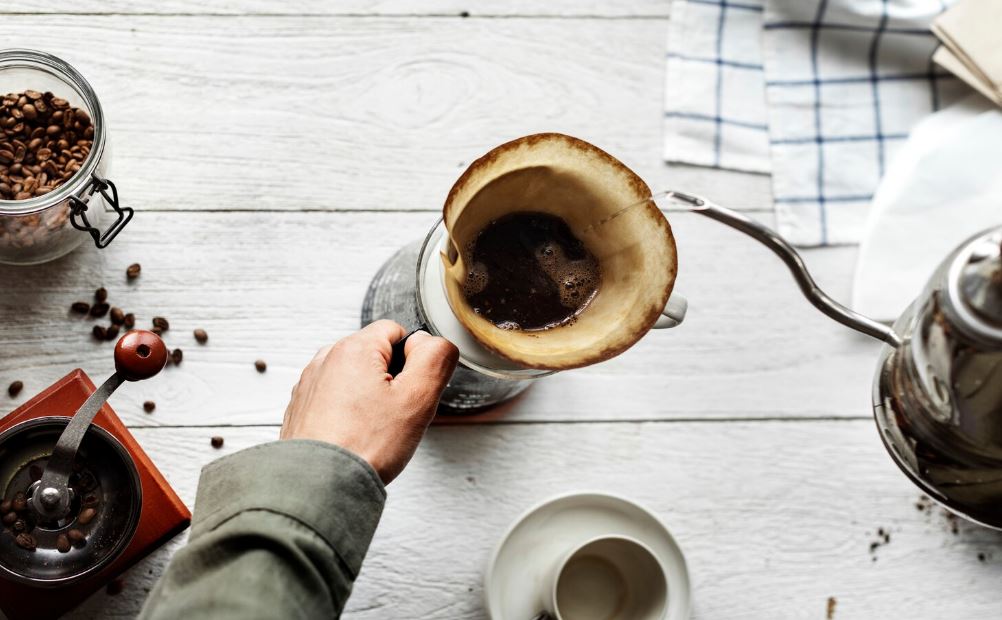
When someone raises the espresso versus drip debate, coffee conversations frequently take an unexpected turn for the worse. It’s more important to consider what the coffee stands for than just how it tastes. Espresso is the epitome of concentration, vigor, and accuracy. Conversely, drip coffee represents comfort, patience, and serenity. Both have loyal fans who insist that their favorite technique captures the spirit of coffee.
Espresso is the strongest form of coffee. In less than 30 seconds, baristas extract a strong, fragrant shot by applying intense pressure to hot water that is forced through finely ground, tightly packed beans. Espresso is unique because of its crema, a smooth, golden coating of gas and oils that adds a unique depth of flavor. Similar to how a piece of dark chocolate melts after a brief pause, the first sip is sharp but ends with an incredibly smooth texture.
| Feature | Espresso | Drip Coffee |
|---|---|---|
| Flavor Profile | Bold, concentrated, with thick crema | Smooth, aromatic, and balanced |
| Brewing Method | High-pressure extraction under 9 bars | Slow, gravity-based extraction |
| Texture | Velvety, rich, and intense | Light, clean, and gentle |
| Ideal Roast | Medium to dark roast | Light to medium roast |
| Grind Size | Fine | Coarse |
| Serving Size | 1–2 ounces | 8–12 ounces |
| Caffeine Content | Around 65–75 mg per shot | Around 120–150 mg per cup |
| Best For | Quick energy or milk-based drinks | Long, relaxed coffee sessions |
| Distinct Advantage | Compact strength and flavor | Sustained enjoyment and comfort |
The experience of drip coffee is entirely different. Patience is more important than power. A softer, brighter, and less harsh cup is produced when hot water slowly filters through coarsely ground beans. The coffee’s more delicate flavors, such as delicate fruitiness and floral undertones, are captured in every drop. It’s the kind of beer that makes you want to stay, maybe to chat with a friend or read the paper.
The espresso-drip divide has become more than just a technical one in recent years; it has become a cultural one. Espresso has long been a symbol of sophistication, often associated with fast-paced creativity and European cafés. The image of control and sharpness is embodied by celebrities like Tom Ford, who is known for his espresso-fueled mornings, and George Clooney, who is famous for his Nespresso advertisements. Espresso has the feel of a power suit in liquid form—urban and efficient.
Conversely, drip coffee exudes a subtle sense of nostalgia. It’s the coffee of slow mornings, kitchen counters, and diners. When they need time instead of urgency, this is what authors, musicians, and thinkers use. During long workdays, Barack Obama once stated that he preferred a simple pot of drip coffee—a decision that seems realistic and relatable. The allure of drip coffee is its consistent cadence, which is especially reassuring in this fast-paced age.
A major factor in this emotional pull is flavor. Compact and powerful, espresso highlights roasted, caramel, and cocoa flavors. Every gulp feels purposeful, like a sentence’s punctuation. Contrarily, drip coffee emphasizes subtlety; over time, its fruity and floral undertones become more complex. Espresso demands your attention, whereas drip coffee rewards your patience. It’s a difference of expression.
Another level of intrigue is added by the caffeine content. The claim that espresso is “stronger” is only partially accurate. Although a single shot has roughly 70 mg of caffeine, the effect is concentrated due to its small serving size. Despite being milder per ounce, drip coffee has a higher total caffeine content. A sprint and a marathon provide energy, but through entirely different experiences. It’s like that.
It’s interesting to note that a lot of people say espresso helps them think clearly without giving them the jitters that come with drinking more drip coffee. This discrepancy most likely results from caffeine absorption and consumption rate. While drip coffee is consumed more slowly and provides longer-lasting stimulation, espresso is consumed quickly and provides an instant jolt. Each has a rhythm that suits various energy requirements and lifestyles.
The debate between drip and espresso also reflects our perceptions of contemporary living. Espresso is a reflection of a culture that values speed and accuracy. The way it condenses experience—every second counts, every drop matters—is especially inventive. Conversely, drip coffee reflects a culture that values routine and mindfulness. It’s the solace of routine, the silent ceremony that ends a day.
Coffee culture has developed significantly in the last ten years. Baristas are now curators of experience rather than merely technicians. Both techniques are celebrated with equal reverence in cafés around the world, from Seattle’s artisanal drip stations to Tokyo’s minimalist espresso bars. By encouraging drinkers to experiment with both intensity and subtlety rather than picking one over the other, this blending of traditions has significantly enhanced our appreciation of coffee.
Another element that has come to define this divide is sustainability. The more energy-efficient drip setups that prioritize reusable filters and lower carbon footprints stand in stark contrast to espresso machines, which have high energy requirements. Today’s coffee roasters have adapted by providing ethically sourced beans and energy-efficient equipment, so whatever method you select will be in line with a more ecologically conscious way of thinking.
Regarding health, both options have significant advantages. Even though espresso is small, it contains concentrated antioxidants and can be very helpful for those trying to control their portion sizes. Because drip coffee is brewed more slowly and in larger quantities, it extracts more antioxidants and has anti-inflammatory properties that have been commended by researchers for supporting the cardiovascular system. Both are beneficial to mental and physical health when consumed in moderation.
Fundamentally, coffee has always represented connection, culture, and dialogue. Espresso, a quick shot before a meeting or a creative session, embodies the excitement of contemporary ambition. Drip coffee encourages introspection and acts as a break in a hectic day. While one thrives on endurance, the other on immediacy. Together, they create a daily routine that is both incredibly universal and incredibly personal.
For many, mood rather than superiority is the deciding factor. Some mornings require the slow comfort of drip coffee, while others demand the sharp focus of espresso. Coffee isn’t just about how we want to function; it’s also about how we want to feel.
Despite their apparent differences, both approaches have one thing in common: they give meaning to everyday situations. Something constant—a ritual that unites people from different backgrounds, generations, and cultures—is symbolized by the hiss of the espresso machine or the gentle rhythm of dripping water.
