

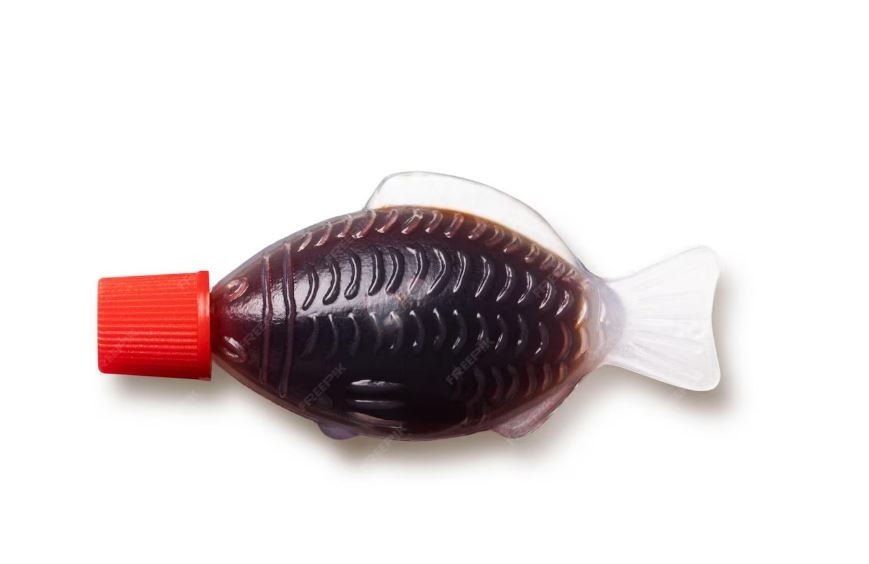
Once a source of joy, the fish-shaped soy sauce container was instantly recognizable and incredibly successful at making sushi eating fun and portable. It was created in Japan in the 1950s and was a particularly inventive advancement during a period when packaging was switching from bulky glass to thin plastic. Its inventor, Teruo Watanabe, had no idea that his little creation, the shoyu-tai, or “soy-sauce snapper,” would go on to become a global cultural icon and a focal point of environmental reform.
The 2025 decision by South Australia to outlaw the container demonstrates a profound change in culture. Because it is used for only a few seconds and ends up in landfills and the ocean for centuries, policymakers have dubbed it one of the most dangerous types of disposable plastics. Because of their tiny size, they are very challenging to recycle and frequently end up on beaches where they remarkably resemble real fish or slipping through machines. According to marine scientists, animals frequently consume them because they believe they are food, which can have unpleasant effects. Therefore, this ban is a social statement about our willingness to reconsider convenience as well as a policy measure.
Fish Shaped Soy Sauce Container – History and Key Facts
| Category | Details |
|---|---|
| Inventor | Teruo Watanabe, Japan, 1954 |
| Original Materials | Glass and ceramic, later polyethylene plastic |
| Japanese Name | Shoyu-tai (“soy-sauce snapper”) |
| Capacity | 4–30 ml |
| Popularity | Widely used in sushi shops globally since the 1970s |
| Environmental Issues | Single-use, rarely recycled, harmful to marine life |
| Ban Initiatives | South Australia (Sept 2025) leads first global ban |
| Cultural Role | Iconic packaging, often nostalgic for diners |
| Alternatives | Bulk dispensers, sachets, refillable bottles |
The ban has evoked conflicting cultural reactions. As much a part of sushi as chopsticks or ginger, many people remember with nostalgia the joy of squeezing soy sauce from the tiny fish. It gave the dish personality, much like the ketchup packet at a diner or the fortune cookie at a Chinese restaurant. In order to demonstrate how something disposable became an object of interest, collectors even identified dozens of distinct “species” of soy fish. However, environmental urgency cannot be overshadowed by nostalgia. The change is part of a larger trend that has already revolutionized plastic bags, straws, and cutlery: a preference for sustainability over sentimentality.
Companies must adapt at this time. For example, Adelaide’s sushi restaurants are switching to sachets or reusable bottles. Sachets are a step toward sustainability because they are significantly lighter and simpler to discard, even though they are still made of plastic. While some store owners acknowledged that the change has been expensive and sometimes frustrating, they also agreed that it was unavoidable. The adjustment period is anticipated to be brief, similar to the initial opposition to paper straws. The soy fish may soon become a thing of the past rather than a necessity as consumers adjust as well.
This prohibition is especially helpful in letting businesses know that innovation is now required. From naturally dissolving seaweed-based packets to elegant and effective refillable glass dispensers, entrepreneurs are already experimenting with biodegradable alternatives. These solutions provide a vision of how design can move beyond nostalgia into responsibility and are not only surprisingly affordable once scaled, but also environmentally safe. Ironically, the very creativity that replaces it might be influenced by the soy fish.
Celebrity voices have been drawn to the discussion because prominent people continue to support sustainability. Long renowned for his support of the environment, Leonardo DiCaprio once shared a picture of abandoned soy fish on a beach as proof of poor design. The issue moves beyond policy reports and into the cultural consciousness by linking such imagery to celebrity influence. Celebrities’ support here makes the soy fish ban seem like a part of a larger lifestyle change, much like how they helped normalize electric cars or plant-based diets.
It’s also important to note the generational gap. The soy fish is a symbol of decades-old dining customs for older diners. Reusable bottles, tote bags, and digital payments are already commonplace among younger generations, particularly Gen Z, who have ingrained sustainability into their daily lives. They view the fish-shaped soy sauce container as less appealing and more archaic, a holdover from a time when practicality triumphed over ethics. This mindset has sped up the adoption of alternatives and greatly decreased consumer resistance.
There are glaring similarities to other cultural reforms. Restaurant smoking bans used to provoke outrage, but now they seem obvious. Bans on plastic bags also drew criticism at first but are now commonplace. It’s possible that the soy fish will eventually be viewed as an unsustainable luxury, despite being nostalgically recalled. Premier Peter Malinauskas of South Australia pointed out that one state frequently sets the example, with others following suit. As a result, the soy fish ban is anticipated to have an impact both domestically and possibly abroad.
This tale also serves as a reminder of the profound social impact that seemingly insignificant items can have. The soy fish is more than just packaging; it is a symbol of globalization, a window into a bygone era, and now a warning against short-term design. Its disappearance represents a readiness to change, to exchange transient charm for lasting accountability. The ban has been a remarkable conversation starter, and its impact might go well beyond sushi bars. It makes us question whether convenience is worth the expense and to reevaluate everything we take for granted.
