

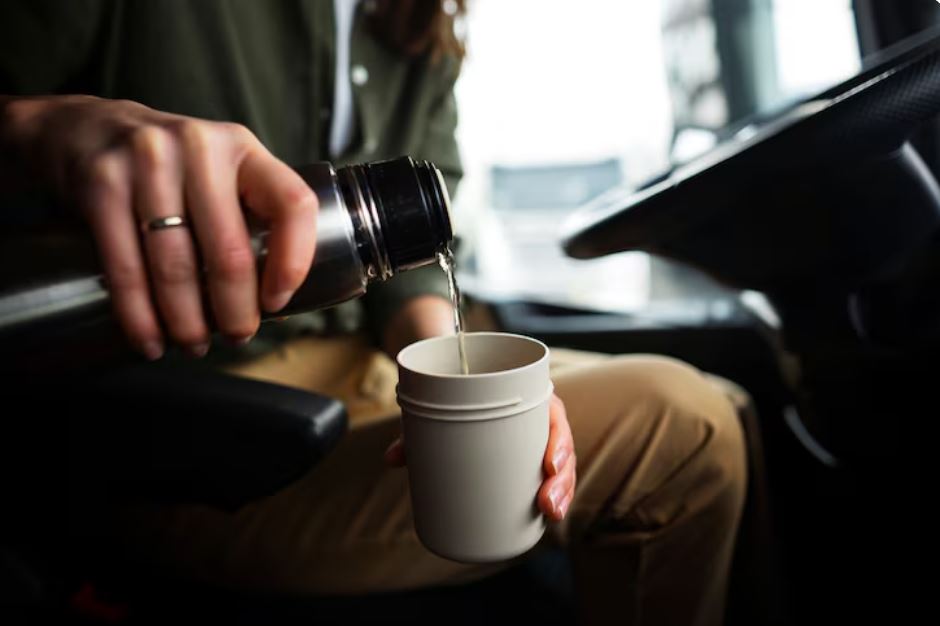
Decaf drinkers are changing the coffee industry as a whole, not just subtly asking for an alternative. Decaf has evolved from being viewed as the compromise beverage for cautious people to becoming a representation of discernment, sophistication, and mindful living. Curiosity, pride, and craftsmanship that rival the best espresso roasts are replacing the stigma of being a lesser brew. Decaf orders are now treated like signature pours by baristas who used to roll their eyes at them. This change feels especially long overdue and is incredibly successful.
Thanks to advancements in science and a renewed appreciation from roasters, decaf has significantly improved in quality in recent years. Caffeine can be extracted under pressure using the German-developed CR3 carbon dioxide method without affecting the bean’s inherent flavor. In a similar vein, the Swiss Water Process produces a very clear flavor profile by filtering with charcoal and pure water. Both techniques are very effective at maintaining the intricate chemistry that gives coffee its body and scent. As a result, the cup feels decadent but well-balanced, filling without being overstimulating.
| Trend | Description |
|---|---|
| Quality Evolution | Specialty roasters now prioritize flavor and texture, crafting decaf with equal care as espresso roasts. |
| Innovative Decaffeination | Methods like the CR3 CO₂ and Swiss Water processes preserve oils and complexity, enhancing taste. |
| Health Awareness | Driven by younger consumers who want focus and calm without caffeine’s side effects. |
| Market Expansion | Cafés and boutique brands are introducing refined decaf and half-caf options with global reach. |
| Cultural Shift | Decaf is gaining prestige, transforming from an afterthought to a conscious choice. |
| Technological Progress | Modern processing techniques have made decaf remarkably effective at retaining flavor integrity. |
| Environmental Focus | Sustainable sourcing and eco-friendly production align with consumer values. |
| Celebrity Influence | Public figures and influencers are normalizing decaf as a sophisticated beverage choice. |
| Sensory Experience | Enhanced aroma, density, and crema are winning over traditional coffee purists. |
This change is liberating to an increasing number of coffee lovers. Many young professionals, artists, and wellness enthusiasts have adopted a caffeine-free lifestyle as a deliberate act of self-preservation rather than as a restriction. They are looking for the ritual and flavor of coffee, without the anxiety or sleeplessness that caffeine frequently causes. One Brooklyn barista grinned and said, “I just want to sleep that night too. I still want my morning espresso.” Because of this attitude, which is based on mindfulness and moderation, decaf has become surprisingly relevant to a generation that values balance.
This movement is especially novel because it reflects broader patterns of lifestyle. Customers are now focusing their critical eye on coffee, just as they did when they exchanged fast fashion for high-quality clothing or sugary sodas for sparkling water. With outstanding blends that compete with their caffeinated bestsellers, roasters such as Olympia Coffee, Red Bay, and Black Lodge have capitalized on this market niche. For example, the floral and cocoa notes in Olympia’s “Decaf Asterisk” feel remarkably adaptable—delightful as espresso, well-balanced as pour-over, and incredibly satisfying with milk.
Digital influence has also contributed to the rise of decaf. Public perception has significantly improved as a result of coffee educator James Hoffmann’s YouTube series, which demystifies the decaffeination process. Thousands of viewers have been reassured by his clear and concise explanations that decaf can indeed taste amazing. Numerous at-home baristas have been encouraged to try new things by this transparency, which has also increased consumer trust. Caffeine-free coffee is unexpectedly trendy as lifestyle influencers and health coaches on TikTok glamorize decaf rituals with pastel mugs and oat milk froths.
What was once written off as “boring” is now elevated to a form of self-expression. Decaf is now an intentional choice rather than an avoidance tactic. It represents a silent protest against hustle culture’s reliance on stimulation and a dedication to presence rather than output. In a way, decaf has evolved into the beverage of confident individuals who are aware of their preferences and aren’t pressured to follow trends in order to validate them. The change, driven by self-assurance and curiosity, is as cultural as it is gastronomic.
The arguments for health are just as strong. According to studies cited by Yahoo Health in 2024, consuming more than 400 mg of caffeine per day can increase the risk of heart attacks and interfere with sleep cycles. Many find that switching to decaf is especially advantageous because it provides the same benefits of antioxidants and polyphenols without being overstimulating. Adaptogenic and mushroom-infused blends have been commended by nutritionists such as Amy Davis for their natural ability to boost immune function and concentration. These substitutes, which contain chaga or lion’s mane, are frequently characterized as both energizing and calming—a paradox that characterizes contemporary wellness.
However, the connection between decaf and sustainability may be the most significant change. Due to sun-grown plantations, traditional coffee farming contributes to deforestation and uses a lot of water. Innovative companies like Atomo are tackling this by producing coffee substitutes using chicory root, date pits, and grape skins. Their inventions mark a particularly inventive direction for caffeine-free drinks since they replicate the taste of coffee while having a much smaller environmental impact. A broader yearning for deliberate indulgence is reflected in this combination of ethics, science, and sensory pleasure.
The change is taking place outside of roastery doors as well. Finally, decaf has gained equal status in cafés in Tokyo, London, and Los Angeles. These days, specialty menus include espresso martinis made with Swiss Water beans, decaf cold brews, and “half-caf” lattes. Late-night “decaf lounges” in New York have started drawing people who prefer to talk without caffeine. One café owner stated, “You don’t need the heart palpitations; you can still have depth and texture.” Modern coffee identity is being reshaped by this rebranding of decaf as an experience rather than an exception.
The movement has even made room for nostalgia. Former waitresses and roasters reminisce about the diner days of the orange Bunn carafe on social media threads. This carafe is a reminder of a time when decaf was more utilitarian than upscale. That nostalgia feels exquisitely reimagined today. Customers enjoy carefully sourced, freshly ground decaf prepared with reverence instead of watery, reheated brews. With more artistry, what was once routine has once again become ritual. The passion behind the coffee is definitely stronger than ever, even though it doesn’t contain caffeine.
