

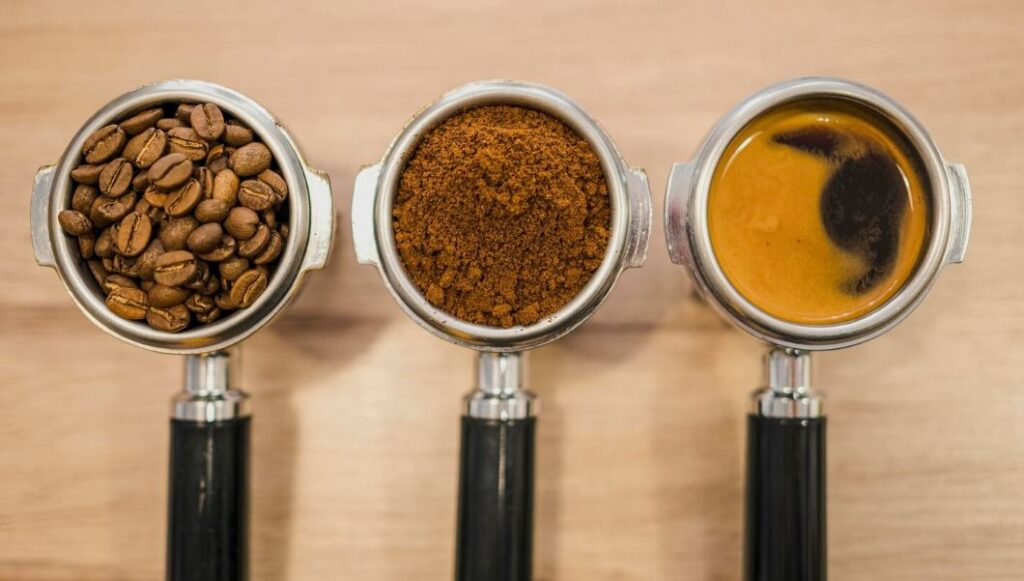
Caffeine is only one aspect of coffee. It is a daily decision that subtly conveys information about our personalities and lifestyles, much like the clothes we wear or the music we listen to. It is a ritual that frames identity. Selecting light roast implies a taste for subtlety, akin to a jazz fan who appreciates understated notes that others miss. On the other hand, dark roast has the force of a power ballad—boundless, recognizable, and profoundly rooted.
Complexity tends to appeal to light roast lovers. These beans, which are roasted at lower temperatures for shorter periods of time, maintain floral, citrusy, and fruity notes that are remarkably effective at taking consumers back to the farms where the coffee was first grown. This decision conveys optimism and curiosity, two traits that are especially advantageous in a time when consumers are becoming more aware of sustainability and provenance. Light roast drinkers frequently enjoy authenticity and discovery, much like a tourist who prefers undiscovered gems to busy tourist destinations.
| Roast Type | Flavor Profile | Personality Traits | Health Benefits | Best Brewing Fit |
|---|---|---|---|---|
| Light Roast | Bright, crisp, fruity, floral, acidic | Adventurous, optimistic, curious, detail-focused | Higher antioxidants, slightly more caffeine | Pour-over, drip, Aeropress |
| Dark Roast | Bold, smoky, chocolaty, nutty, robust | Passionate, traditional, resilient, intense | Lower acrylamide, comforting flavor profile | Espresso, French press, milk-based drinks |
Devotees of dark roast embrace intensity. With oils glistening on the beans’ surface, longer roasting times produce smoky, chocolatey, and nutty profiles that are remarkably clear in their strength. People with personalities that appreciate comfort, depth, and resiliency will find resonance in this. A dark roast reflects the resolve of veteran actors or traditional artists who take pride in continuity rather than innovation. Selecting it frequently shows devotion to customs that are very effective at providing order to erratic mornings.
The contrast is especially intriguing from a health standpoint. Light roasts provide a noticeably better nutritional profile by preserving more antioxidants and polyphenols. However, because they have been exposed to higher temperatures, dark roasts have much lower concentrations of acrylamide, a substance that has been connected to possible hazards. As a result, each roast has a unique balance of advantages, allowing the consumer to choose what matters most to them, whether that be maximizing antioxidants or minimizing particular compounds.
Another layer of myth and reality is added by caffeine content. Despite the widespread belief that darker beans are more potent, research indicates that light roasts frequently contain a little more caffeine by weight, though this difference is negligible when measured accurately. The difference is based more on perception than chemistry, demonstrating how taste is influenced by psychology. The notion that light roast is “stronger” in spirit may seem especially appealing to early risers who are striving for clarity.
These symbolic alignments have also been reaffirmed by celebrities. The depth and dependability of dark roast coffee are exemplified by Barack Obama, who is frequently linked to a strong cup of coffee. Silicon Valley innovators, on the other hand, who favor light roasts from Ethiopia or a single origin, represent the daring optimism of experimentation. Coffee turns into a subtle branding tool that reflects lifestyle choices in ways that are remarkably similar to the fashion brands they support or the smartphones they carry.
Cultural values are mapped onto preferences across generations. Baby boomers exhibit a reassuring devotion to tradition by favoring strong dark blends. However, Gen Z and Millennials prefer lighter roasts, honoring diversity and origin tales. This area of marketing is very flexible since companies can focus their campaigns on innovation or heritage, depending on the target market. While Italian espresso still represents timeless heritage, Starbucks’ Blonde Roast was especially inventive, aiming to attract younger customers with approachable optimism.
Slow, mindful brewing techniques like pour-over or Aeropress are ideal for light roasts, which fit in with the current trend toward slower living and artisanal rituals. On the other hand, dark roasts are excellent in milk-based beverages and espresso, appealing to city workers who value speed without compromising flavor. This decision reflects larger cultural rhythms, where some people value efficiency and speed while others find significance in taking the time to appreciate the little things.
In this way, coffee turns into a mirror that reflects both philosophy and personality. Like an artist eager to play with color, a bright Ethiopian roast conveys curiosity and adventure. Similar to an experienced conductor who derives strength from tradition, a smoky French roast conveys resiliency and stability. Every drink gently conveys identity, influencing opinions in private and public settings.
