

The 2025 Formula 1 salaries show how The 2025 Formula 1 salaries show how marketability, reputation, and performance all contribute to financial gain. The difference between a rookie’s $500,000 and Max Verstappen’s $65 million is remarkably comparable to the time difference between the front row and back grid—small in seconds but huge in impact.
The current racing industry’s gold standard, Max Verstappen, still tops podiums and earnings. His $65 million a year Red Bull contract is especially profitable when combined with sponsorship incentives and performance bonuses. His deal is a prime example of how a driver’s skill on the track can have a significant impact on global viewership and merchandising, transforming speed into a highly effective business strategy.
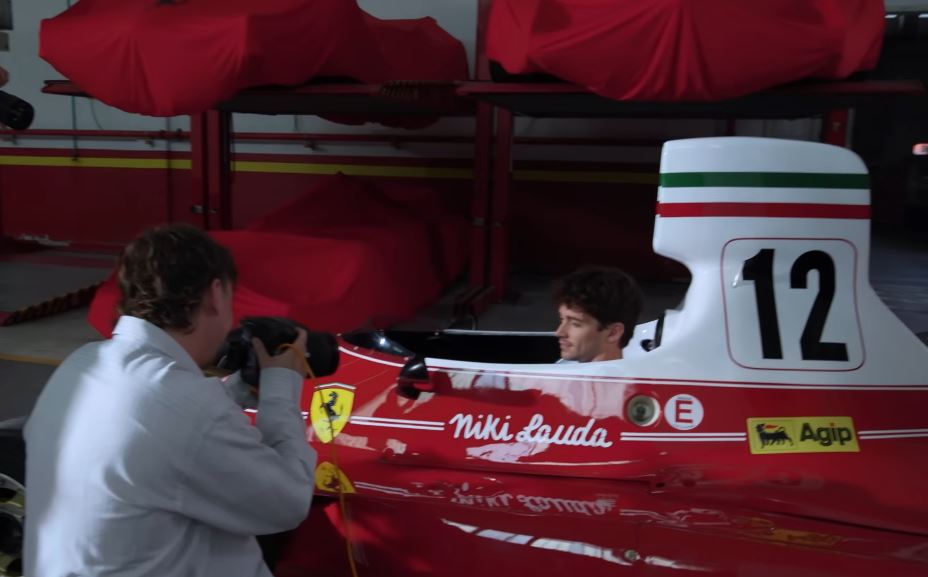
Not far behind him, Lewis Hamilton’s $60 million contract with Ferrari is a symbol of business appeal in addition to racing prestige. According to reports, Ferrari’s market value increased by 6% since he left Mercedes, reaching over $6 billion. In addition to rekindling Ferrari’s spirit of competition, his arrival has greatly increased the company’s global cultural presence, demonstrating how one driver’s influence can change the course of an entire brand.
With an estimated net worth of $34 million, Charles Leclerc is the face of Ferrari’s future. He has developed into a marketing phenomenon and a team leader at the age of 27. He is a corporate dream due to his grace and steady podium finishes, which is especially advantageous for sponsors aiming to appeal to younger audiences who value both tradition and modernity.
At $20 million each, Lando Norris and Fernando Alonso symbolize two opposing sides of the same coin: youth and longevity. By fusing esport and racing culture through his brand Quadrant, Norris—who is charming and proficient in digital technology—has significantly increased his commercial value. Alonso, on the other hand, demonstrates that experience is incredibly resilient by continuing to hold elite-level contracts at 43.
Later on, a generational shift is reflected in George Russell’s $15 million Mercedes salary. Since Hamilton left, Mercedes has remained competitive thanks to his unwavering poise and technical accuracy. Andrea Kimi Antonelli, an 18-year-old rookie teammate, makes $2 million, which is a surprisingly high sum for a rookie but is supported by his stellar reputation as Mercedes’ long-term investment.
Lower-level drivers like Oliver Bearman, Isack Hadjar, and Jack Doohan make between $500,000 and $1 million, but even these sums are astronomically high when compared to the majority of professional athletes in the same stage of their careers. Their salaries represent Formula 1’s shift to a performance economy, where sponsorship opportunities frequently equal undeveloped driving prowess.
Driver income is largely derived from endorsements, performance clauses, and bonuses. For example, Kimi Räikkönen famously earned €50,000 for each championship point when he joined Lotus in 2012, earning €19 million in bonuses over the course of two seasons. Even though it is uncommon now, that model opened the door for flexible pay structures where annual income is directly determined by consistent performance.
In contrast to their forebears, modern drivers are also brand ecosystems. Verstappen’s multimillion-dollar marketing presence is fueled by his partnerships with Heineken, EA Sports, and Jumbo. Beyond motorsport, Hamilton is a household name thanks to his sustainability initiatives and fashion partnerships with Tommy Hilfiger. The distinction between entertainer and athlete is blurred by Norris’s social media influence, which has been especially creative in introducing the sport to younger audiences.
Formula 1 salaries are especially intriguing because they are not included in the sport’s cost cap. Driver salaries are exempt from the $135 million spending cap that teams have been operating under for development and logistics since 2021. Because of this exemption, teams are free to pursue top drivers without facing financial consequences, guaranteeing that well-known drivers like Verstappen or Hamilton continue to be worth every penny in terms of sponsorship pull and media attention.
This economic model has historical precedent. The ultimate financial icon in sports, Michael Schumacher, earned over $1 billion in his career. His collaboration with Ferrari and supremacy in the early 2000s increased Formula 1’s international prominence and established financial benchmarks that still influence contemporary contract negotiations.
The evolving nature of racing economics is reflected in the grid of today. Drivers are now media figures, investors, and ambassadors rather than just rivals. These days, personal endeavors, public perception, and social media reach are just as important as podium finishes. In many respects, a driver’s impact off the track is just as valuable as their split-second accuracy while driving.
This changing dynamic is understood even by novices. Oscar Piastri’s ascent from Formula One to a $6 million McLaren contract serves as an example of how value can grow rapidly while producing reliable outcomes. He is becoming a commercial favorite due to his increasing popularity among Australian sponsors and his ability to remain composed under duress. Likewise, Yuki Tsunoda’s $2 million contract move to Red Bull highlights how international diversity increases Formula One’s appeal, especially in Asian markets.
If you exclude media rights and personal endorsements, the top five earners take home more than $200 million a year. That astounding amount surpasses the combined salary cap of several basketball or football teams, demonstrating how Formula 1’s unique blend of risk, glamour, and engineering continues to create unmatched commercial momentum.
The way that driver compensation reflects the sport’s overall development is still very convincing. F1 is beginning to value human personality just as much as mechanical performance as sustainability and technology change its perception. Drivers embrace electric transition conversations, promote mental health awareness, and influence younger audiences with authenticity rather than polish, making them more than just symbols of speed.
Formula 1 salaries in 2025 are identities rather than just paychecks. Max Verstappen’s supremacy is proof that accuracy is rewarded. Emotional intelligence as a brand asset is highlighted by Lewis Hamilton’s lasting star power. Additionally, the bright-eyed, driven, and tech-savvy rookies embody the sport’s bright future., reputation, and performance all contribute to financial gain. The difference between a rookie’s $500,000 and Max Verstappen’s $65 million is remarkably comparable to the time difference between the front row and back grid—small in seconds but huge in impact.
The current racing industry’s gold standard, Max Verstappen, still tops podiums and earnings. His $65 million a year Red Bull contract is especially profitable when combined with sponsorship incentives and performance bonuses. His deal is a prime example of how a driver’s skill on the track can have a significant impact on global viewership and merchandising, transforming speed into a highly effective business strategy.
| Rank | Driver | Team | 2025 Salary (USD) | Key Highlights |
|---|---|---|---|---|
| 1 | Max Verstappen | Red Bull Racing | $65 million | Three-time champion, highest-paid driver |
| 2 | Lewis Hamilton | Ferrari | $60 million | Joined Ferrari in 2025; still a top earner |
| 3 | Charles Leclerc | Ferrari | $34 million | Ferrari’s golden talent, rising market appeal |
| 4 | Lando Norris | McLaren | $20 million | Young, marketable, and remarkably consistent |
| 4 | Fernando Alonso | Aston Martin | $20 million | Veteran star with enduring performance |
| 6 | George Russell | Mercedes | $15 million | Leading Mercedes’ next generation |
| 7 | Pierre Gasly | Alpine | $10 million | Steady, respected racer for the French team |
| 7 | Carlos Sainz Jr. | Williams | $10 million | Smart career pivot to an evolving team |
| 9 | Alex Albon | Williams | $8 million | Underdog success story in the midfield |
| 10 | Oscar Piastri | McLaren | $6 million | Promising newcomer with notable composure |
| 11 | Lance Stroll | Aston Martin | $3 million | Privileged yet persistently competitive |
| 12 | Andrea Kimi Antonelli | Mercedes | $2 million | Teenage rookie with immense potential |
| 12 | Yuki Tsunoda | Red Bull | $2 million | Small stature, bold driving personality |
| 14 | Oliver Bearman | Haas | $1 million | Ferrari junior with growing recognition |
| 14 | Liam Lawson | Red Bull | $1 million | Consistent reserve, now proving himself |
| 16 | Jack Doohan | Alpine | $0.5–1 million | Australian rookie showing steady progress |
| 16 | Isack Hadjar | Racing Bulls | $0.5–1 million | Fast-learning French debutant |
Not far behind him, Lewis Hamilton’s $60 million contract with Ferrari is a symbol of business appeal in addition to racing prestige. According to reports, Ferrari’s market value increased by 6% since he left Mercedes, reaching over $6 billion. In addition to rekindling Ferrari’s spirit of competition, his arrival has greatly increased the company’s global cultural presence, demonstrating how one driver’s influence can change the course of an entire brand.
With an estimated net worth of $34 million, Charles Leclerc is the face of Ferrari’s future. He has developed into a marketing phenomenon and a team leader at the age of 27. He is a corporate dream due to his grace and steady podium finishes, which is especially advantageous for sponsors aiming to appeal to younger audiences who value both tradition and modernity.
At $20 million each, Lando Norris and Fernando Alonso symbolize two opposing sides of the same coin: youth and longevity. By fusing esport and racing culture through his brand Quadrant, Norris—who is charming and proficient in digital technology—has significantly increased his commercial value. Alonso, on the other hand, demonstrates that experience is incredibly resilient by continuing to hold elite-level contracts at 43.
Later on, a generational shift is reflected in George Russell’s $15 million Mercedes salary. Since Hamilton left, Mercedes has remained competitive thanks to his unwavering poise and technical accuracy. Andrea Kimi Antonelli, an 18-year-old rookie teammate, makes $2 million, which is a surprisingly high sum for a rookie but is supported by his stellar reputation as Mercedes’ long-term investment.
Lower-level drivers like Oliver Bearman, Isack Hadjar, and Jack Doohan make between $500,000 and $1 million, but even these sums are astronomically high when compared to the majority of professional athletes in the same stage of their careers. Their salaries represent Formula 1’s shift to a performance economy, where sponsorship opportunities frequently equal undeveloped driving prowess.
Driver income is largely derived from endorsements, performance clauses, and bonuses. For example, Kimi Räikkönen famously earned €50,000 for each championship point when he joined Lotus in 2012, earning €19 million in bonuses over the course of two seasons. Even though it is uncommon now, that model opened the door for flexible pay structures where annual income is directly determined by consistent performance.
In contrast to their forebears, modern drivers are also brand ecosystems. Verstappen’s multimillion-dollar marketing presence is fueled by his partnerships with Heineken, EA Sports, and Jumbo. Beyond motorsport, Hamilton is a household name thanks to his sustainability initiatives and fashion partnerships with Tommy Hilfiger. The distinction between entertainer and athlete is blurred by Norris’s social media influence, which has been especially creative in introducing the sport to younger audiences.
Formula 1 salaries are especially intriguing because they are not included in the sport’s cost cap. Driver salaries are exempt from the $135 million spending cap that teams have been operating under for development and logistics since 2021. Because of this exemption, teams are free to pursue top drivers without facing financial consequences, guaranteeing that well-known drivers like Verstappen or Hamilton continue to be worth every penny in terms of sponsorship pull and media attention.
This economic model has historical precedent. The ultimate financial icon in sports, Michael Schumacher, earned over $1 billion in his career. His collaboration with Ferrari and supremacy in the early 2000s increased Formula 1’s international prominence and established financial benchmarks that still influence contemporary contract negotiations.
The evolving nature of racing economics is reflected in the grid of today. Drivers are now media figures, investors, and ambassadors rather than just rivals. These days, personal endeavors, public perception, and social media reach are just as important as podium finishes. In many respects, a driver’s impact off the track is just as valuable as their split-second accuracy while driving.
This changing dynamic is understood even by novices. Oscar Piastri’s ascent from Formula One to a $6 million McLaren contract serves as an example of how value can grow rapidly while producing reliable outcomes. He is becoming a commercial favorite due to his increasing popularity among Australian sponsors and his ability to remain composed under duress. Likewise, Yuki Tsunoda’s $2 million contract move to Red Bull highlights how international diversity increases Formula One’s appeal, especially in Asian markets.
If you exclude media rights and personal endorsements, the top five earners take home more than $200 million a year. That astounding amount surpasses the combined salary cap of several basketball or football teams, demonstrating how Formula 1’s unique blend of risk, glamour, and engineering continues to create unmatched commercial momentum.
The way that driver compensation reflects the sport’s overall development is still very convincing. F1 is beginning to value human personality just as much as mechanical performance as sustainability and technology change its perception. Drivers embrace electric transition conversations, promote mental health awareness, and influence younger audiences with authenticity rather than polish, making them more than just symbols of speed.
Formula 1 salaries in 2025 are identities rather than just paychecks. Max Verstappen’s supremacy is proof that accuracy is rewarded. Emotional intelligence as a brand asset is highlighted by Lewis Hamilton’s lasting star power. Additionally, the bright-eyed, driven, and tech-savvy rookies embody the sport’s bright future.
